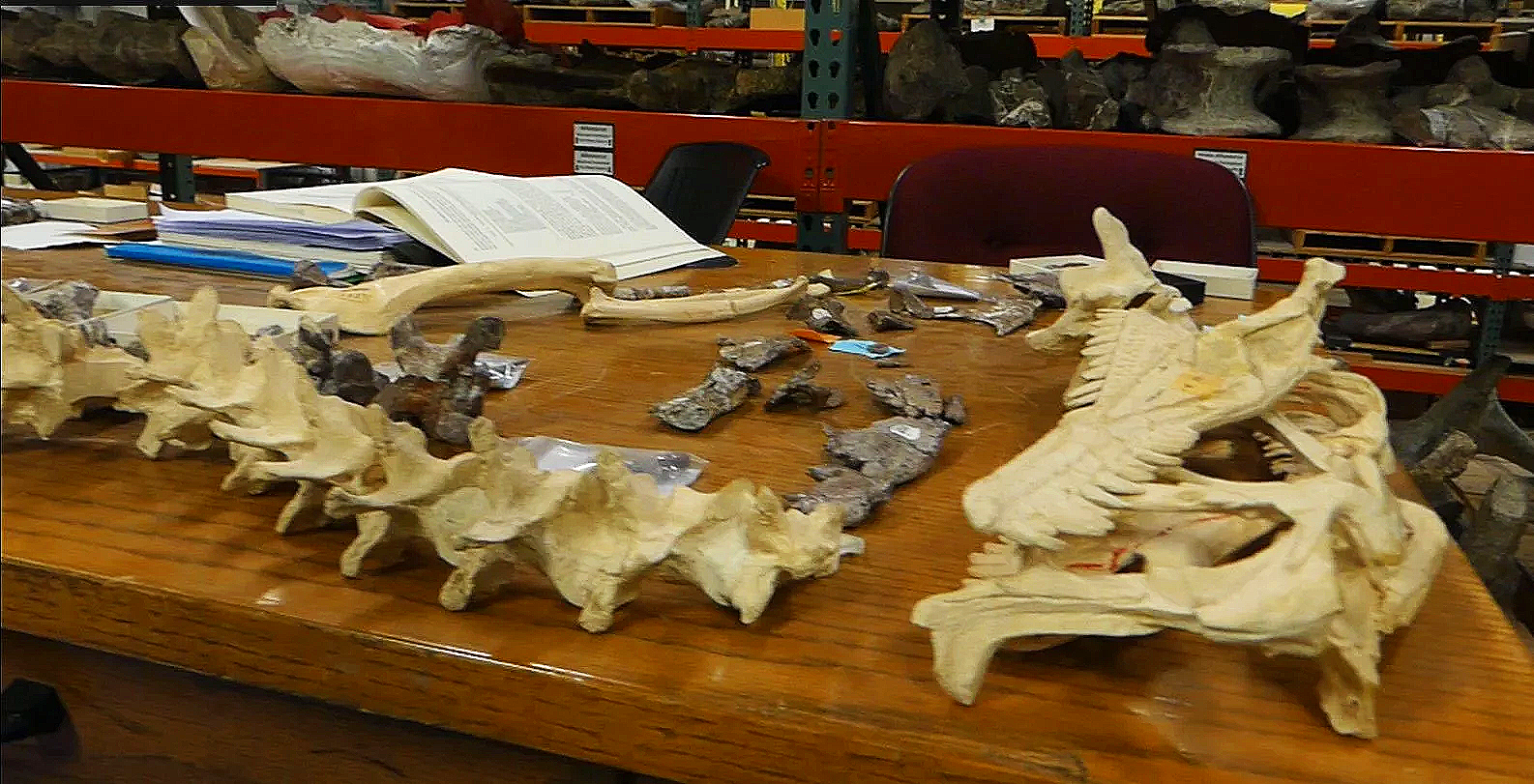
Digital Dinos: An Interview-With A 3D Imaging Specialist At BYU's Museum Of Paleontology.
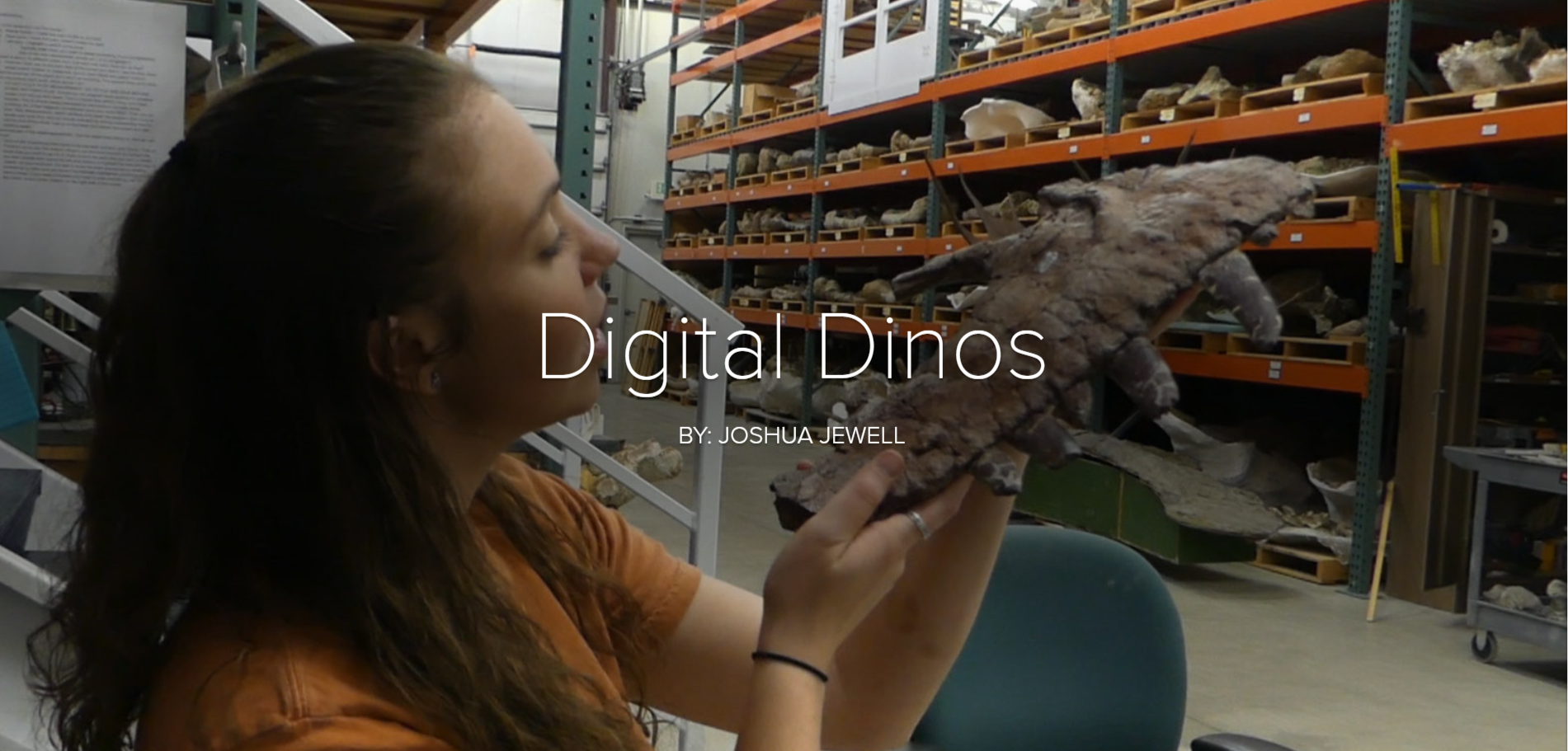
As a kid, Lilli Jewell watched Walking With Dinosaurs, one old recorded episode of Blue Planet, The Magic School Bus, and Indiana Jones over and over and over. This early exposure to science, exploration, and antiquities planted a seed that eventually inspired her to find a way to mesh a love of the outdoors with scholarly learning.
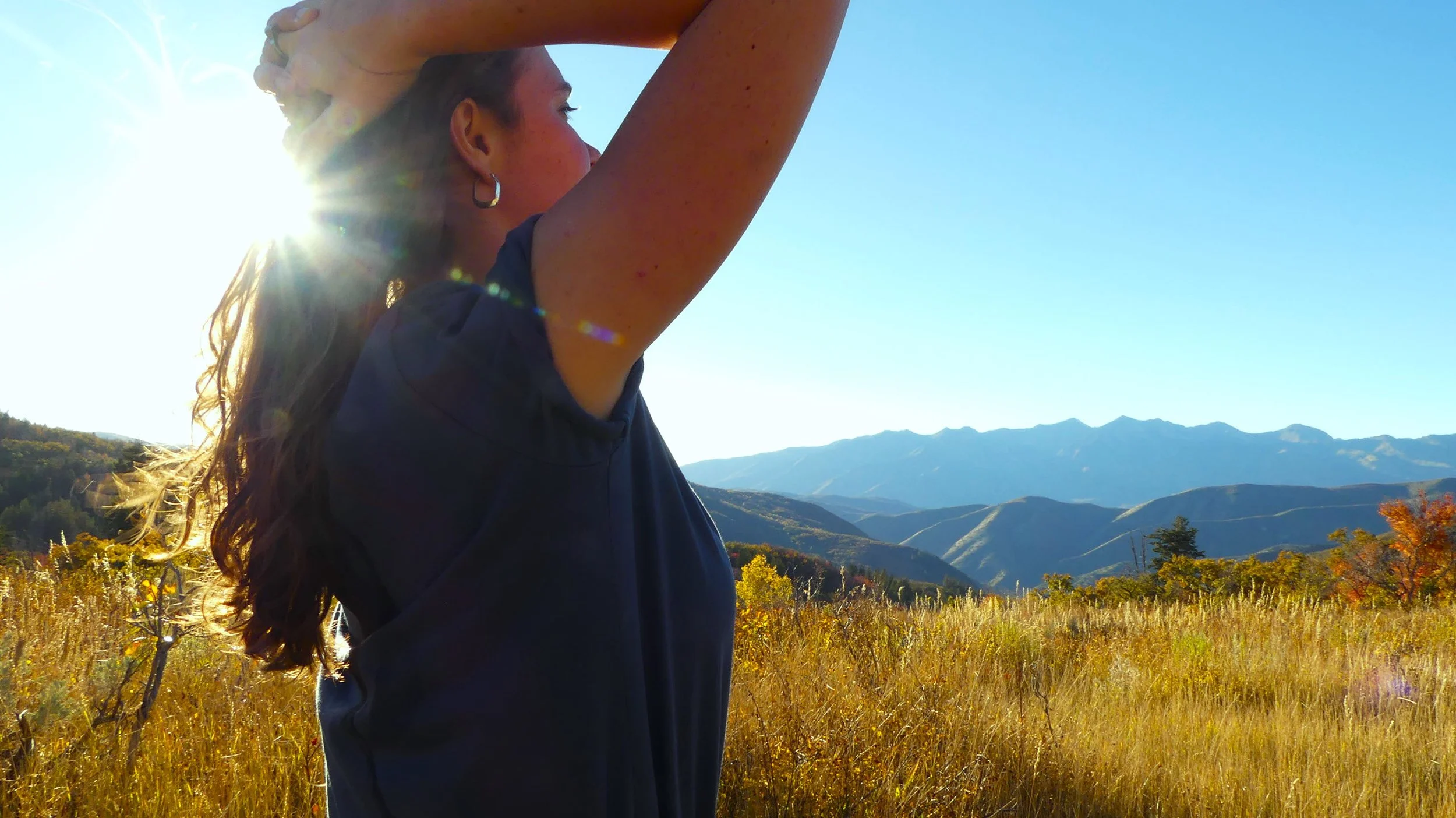
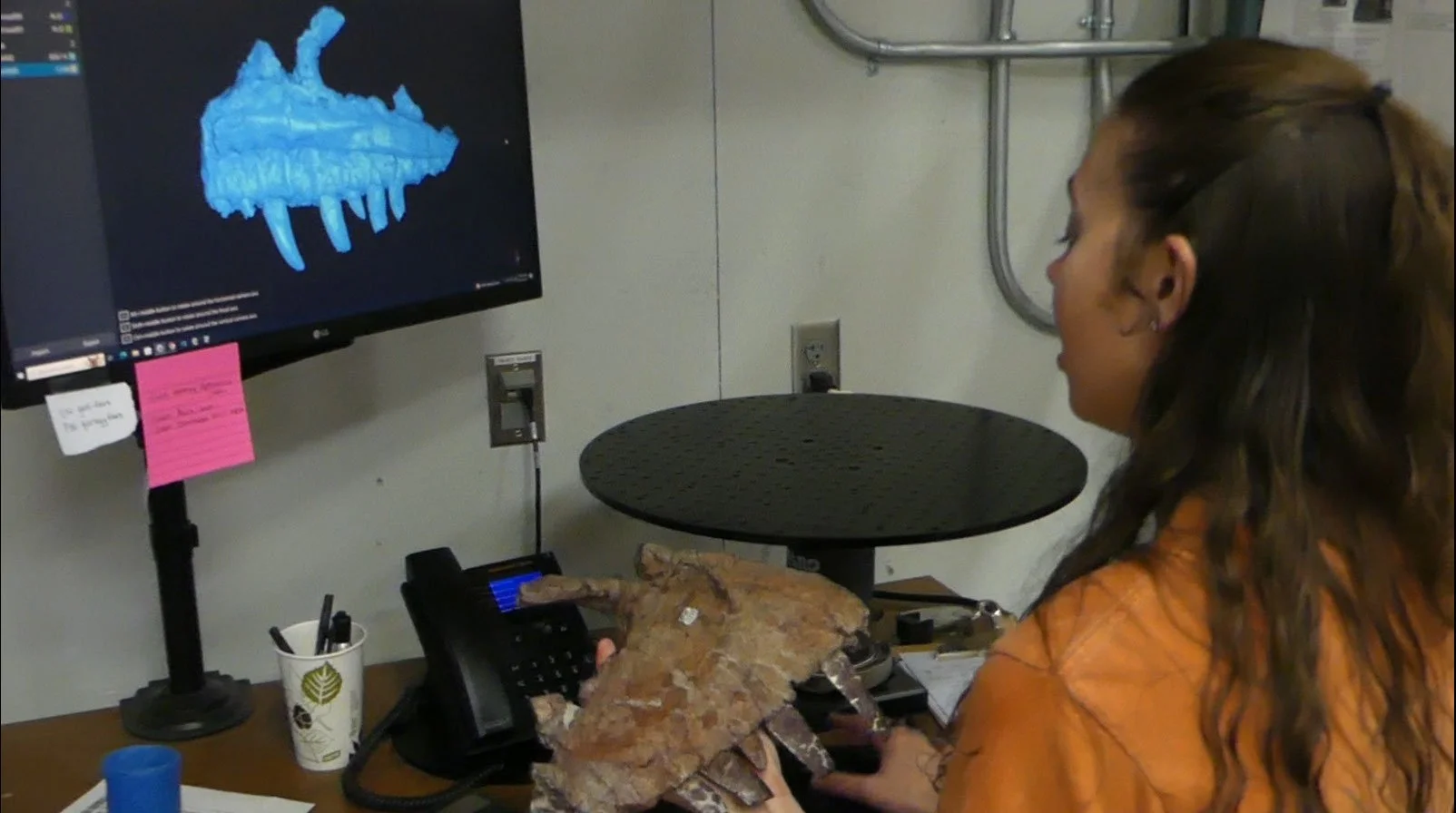
Jewell is an archaeology major with big plans to pursue a Masters of Science in Geology with emphasis in geophysics. To prepare for that future she took a job doing 3D image creation, on dinosaurs.
Jewell works as the 3D imaging specialist at BYU’s celebrated Paleontology Museum. The small, white-walled structure is home to a rich collection of fossils and geological treasures. It is attached to BYU’s geology program and has a rich history of being one of the leaders in dinosaur studies.
“For a period of over 20 years, during 1960s-1980s, one BYU paleontologist, Jim Jensen, put BYU on the fossil map by collecting thousands of specimens including many new species.” boasts www.provo-utah.us, a guide to local hotspots. “As part of the BYU educational system, the Museum of Paleontology provides labs and hands-on learning to university students.”
This has proven to be true for Jewell. She runs a powerful 3D scanning tool to create digital images of dinosaur bones from small to large, even scanning fossils of a Ceratosaurus; a dinosaur similar to T-Rex.
"We're arranging croc skulls for display today, I love my job!" said Jewell. While not a paleontology student, she loves getting to work with the fossils, even having a favorite dinosaur (Styracosaurus). She takes satisfaction in creating high quality scans that are beneficial to research.
“It definitely helps to us to visualize what the dinosaur movement would have been like a lot better.” said Scotlyn Lebanon, one of Jewell’s coworkers. 3D scanning technology is used in many fields of study to recreate images and models for further study.
Jewell hopes to use the skills she has to pursue a career in geophysics. Her goal is to use computer imaging programs, similar to the one she works with now, to find archaeological remains and create images of them, without even having to dig them up.